Current Job: Summer Intern
Current Project: Chesapeake SAV Habitat Requirements
State(s) working in: Maryland
Where are you from: Milford, MA
What do you think is the main reason we should protect SAV?
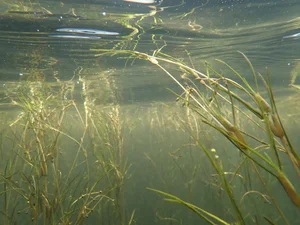
SAV are doing so much to improve our waterways and coastlines to make them beautiful habitats for all kinds of creatures, including us! They create environments that are more resilient to change and naturally clean up pollutants, leaving all of us healthier and happier when we spend time in them.
How do you feel your research will make a difference in the SAV community?
My research focusing on microbes in seagrass has implications for their health and carbon storage capacity in the face of changing conditions, helping us predict and plan for future impacts to their ecosystem functions.
What is one of your best memories working with SAV?
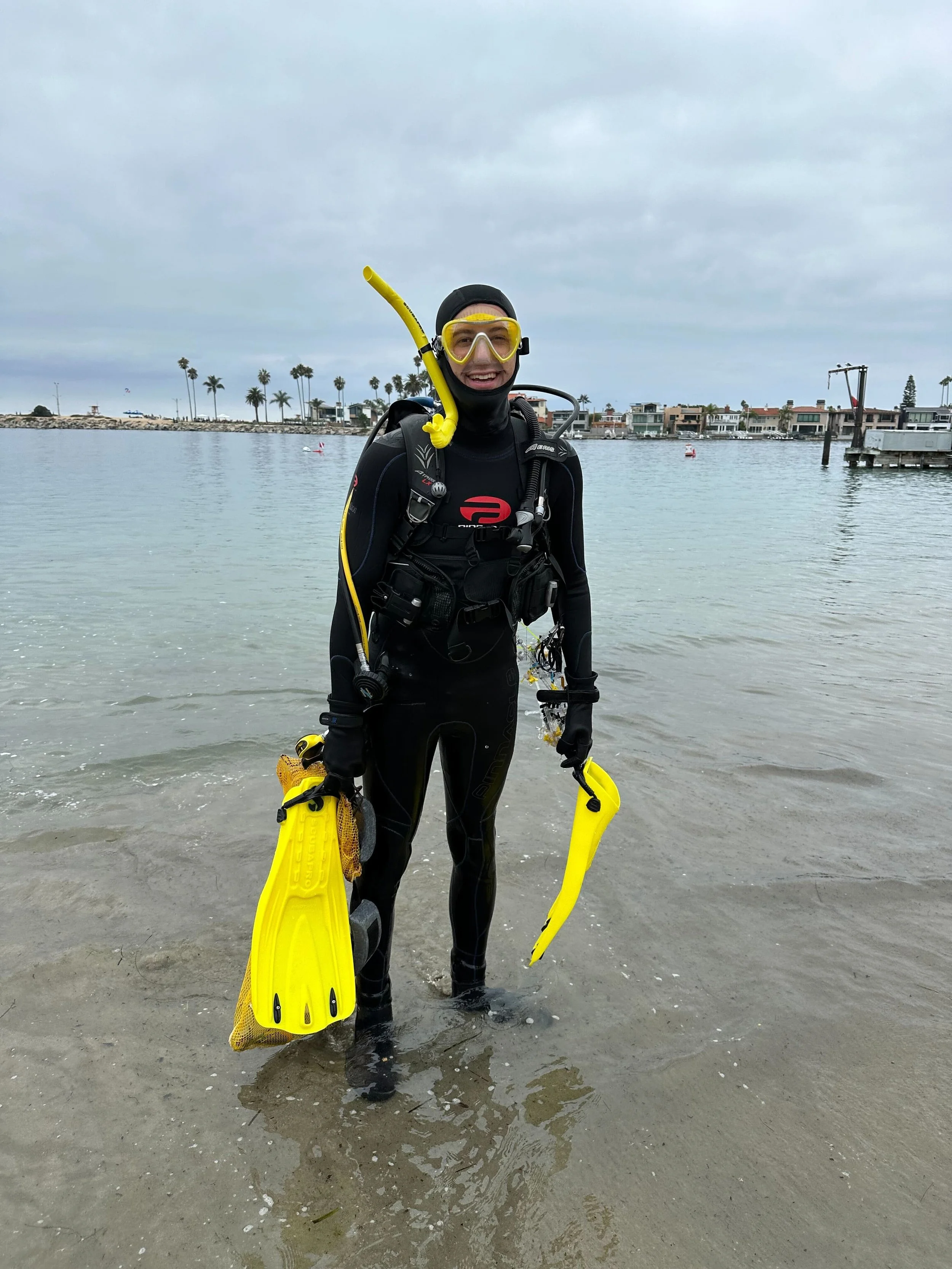
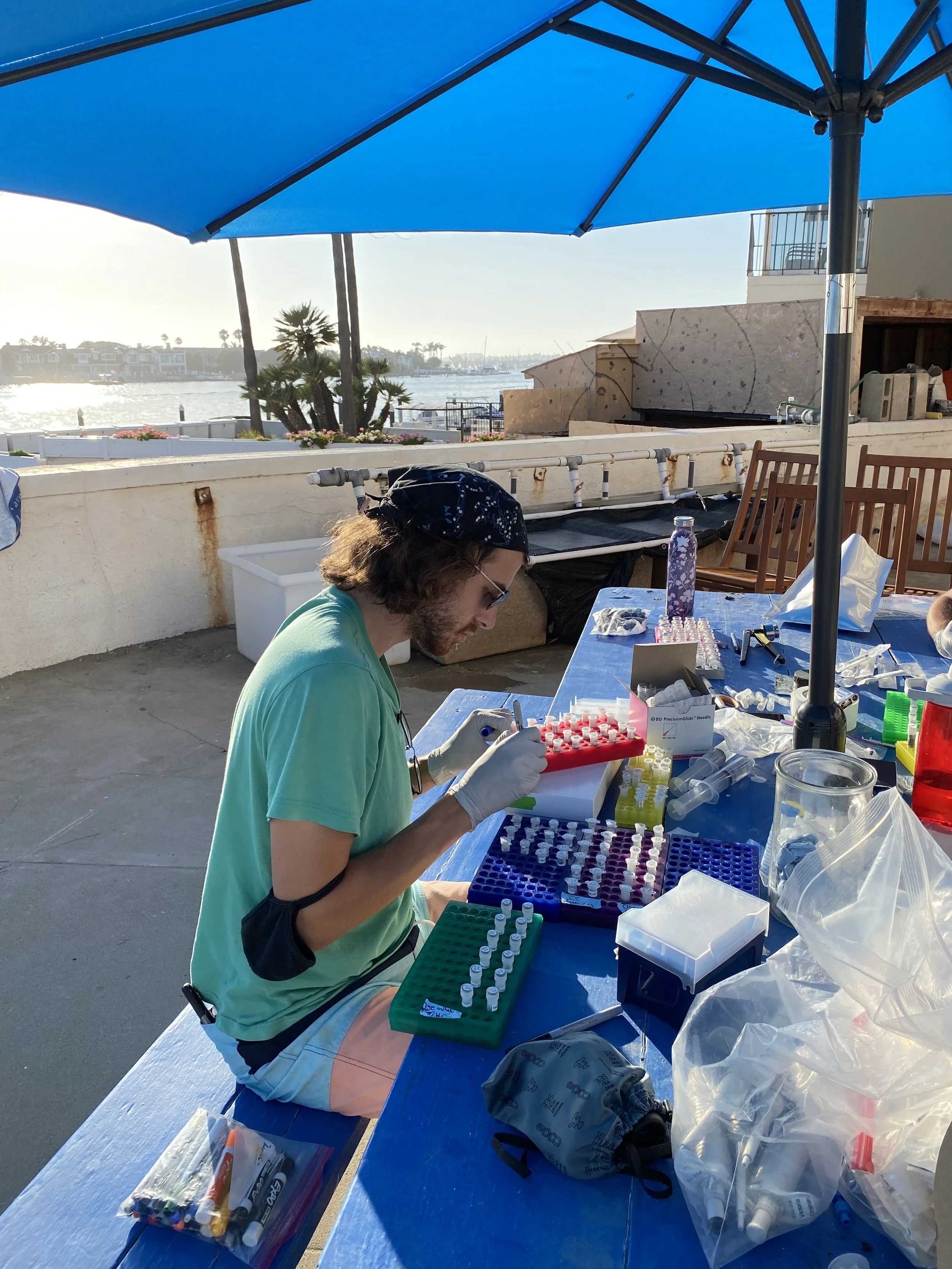
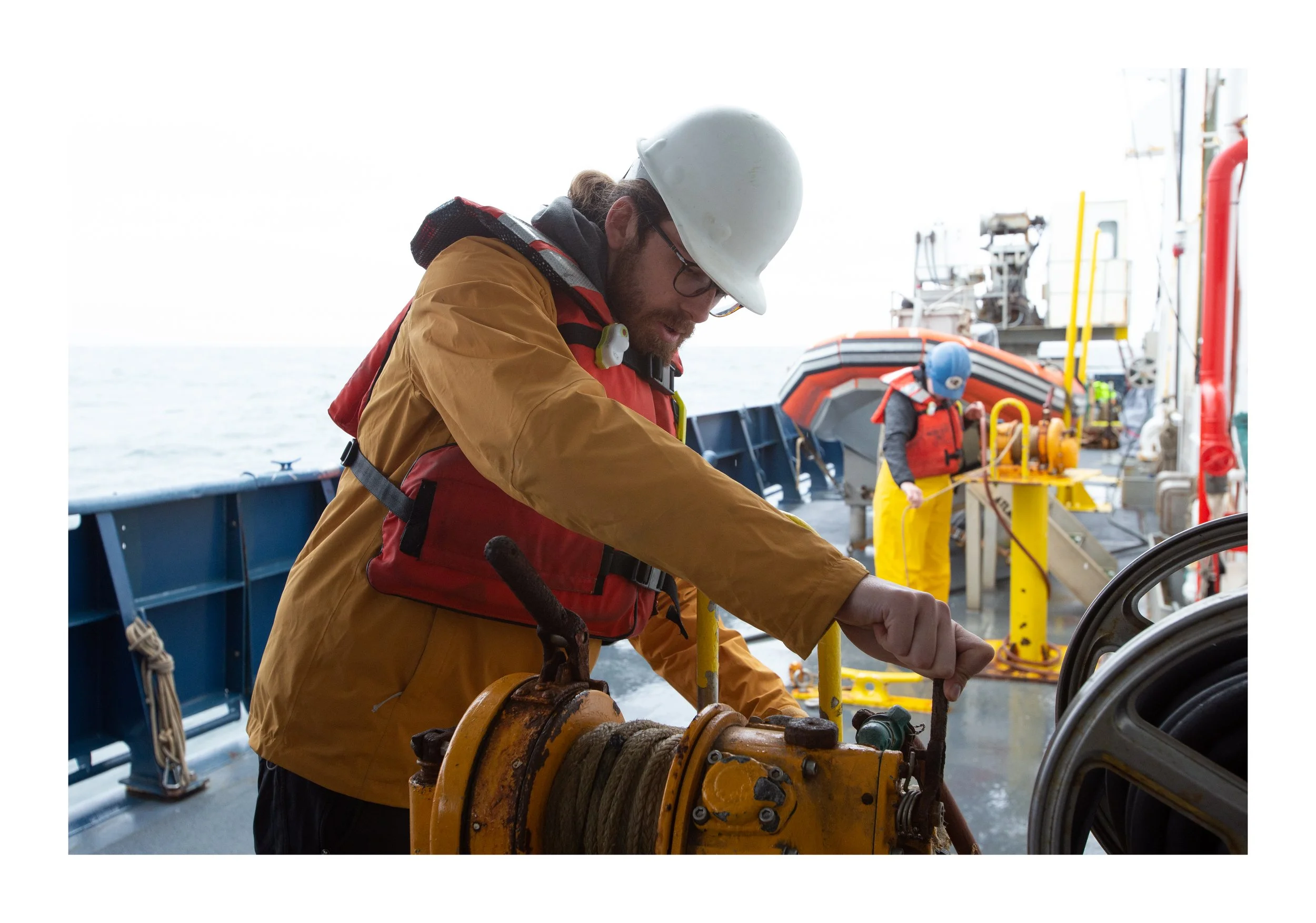
Coming out from a long day on the water to watch a sunset is definitely a favorite. Staying up late with my friends and colleagues at the marine station processing samples and looking out over the water will always stick with me.
What keeps you motivated to keep caring about the future of SAV?
Despite the threats to SAV, talented people working hard makes a real difference. This community is fighting to bring back SAV to where it was lost and protect it where it already is and it's working! The future is changing but protecting natural benefactors like SAV will always be the right choice in the long run.
More about James’s story
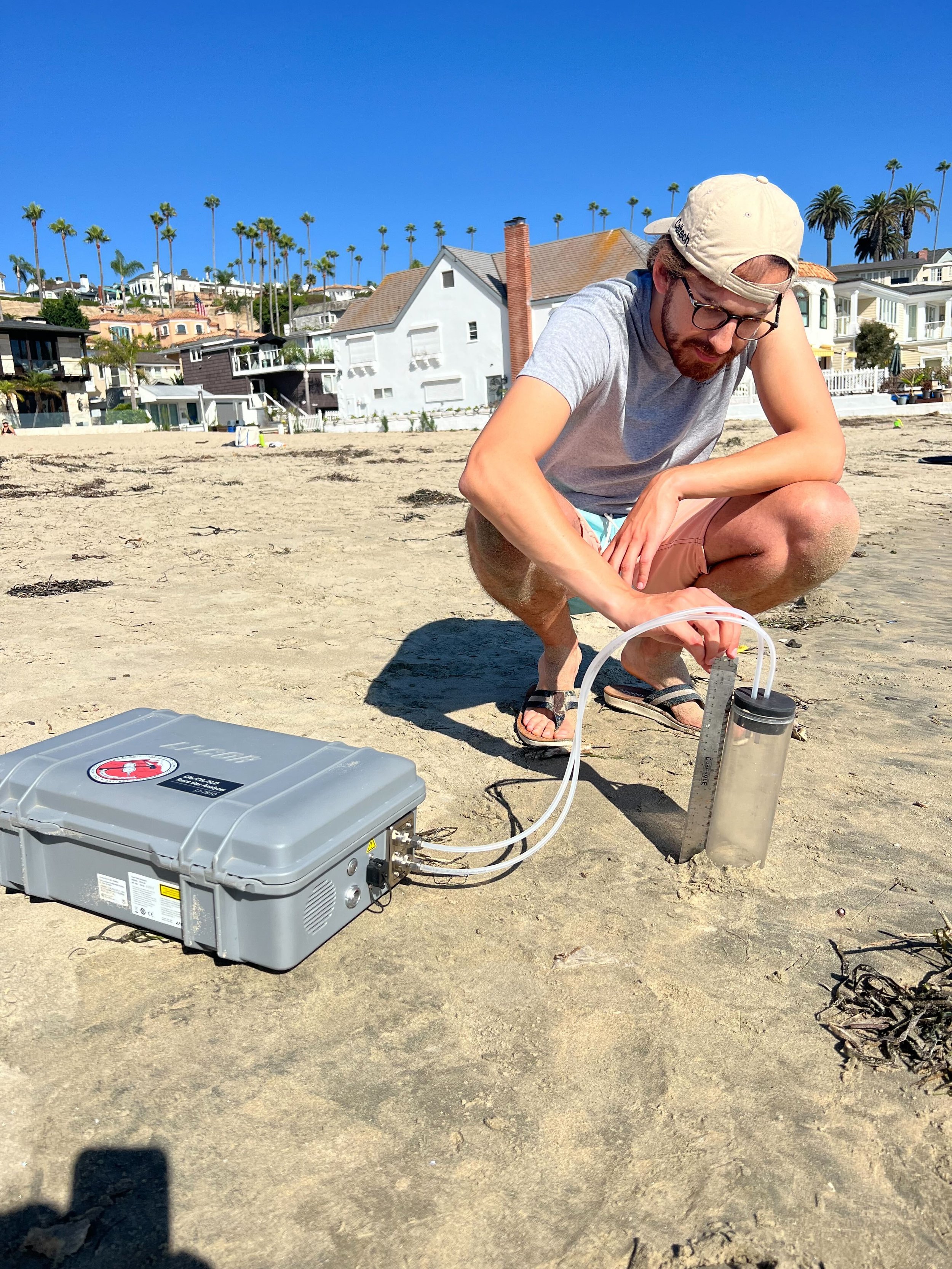
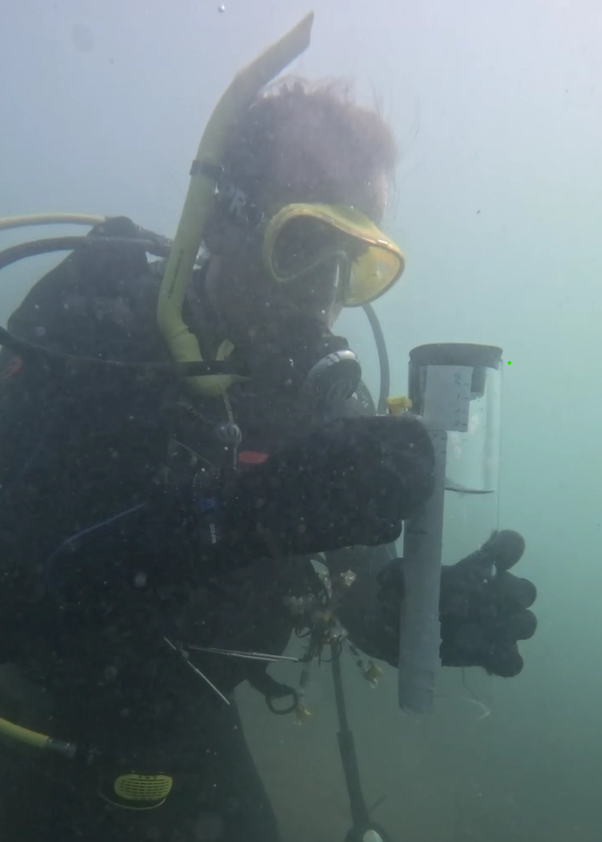
James Mullahoo is from Milford, MA, and earned his B.S in Chemistry from Tufts University conducting research in organic synthesis. After graduating, he spent several years at the Broad Institute in Cambridge, MA, where he worked on mass-spectrometry based proteomics. While there, he collaborated with local hospitals and academic groups to better understand the protein signatures of diseases, including cancer-drug interactions and Alzheimer's. Wanting to pivot his skillset towards environmental problems, he started graduate school in 2020 at the California Institute of Technology (Caltech) to work in the lab of Dr. Victoria Orphan on microbial ecology. The lab's primary focus was on deep sea environments, but Dr. Orphan saw avenues to apply their expertise to coastal ecosystems, particularly a local eelgrass meadow located just offshore from Caltech's Kerckhoff Marine Laboratory (KML). It took little to convince James to work with seagrass, and from there dove into studying the microbial and geochemical environment of the rhizosphere, focusing primarily on methanogenic archaea and their resulting emissions from the meadow. He completed his PhD in Environmental Science and Engineering in June 2026 and moved back to the east coast to begin a science policy internship with the Maryland Department of Natural Resources, funded by the Linde Center for Science, Society and Policy, to update habitability requirements for seagrass restoration in the Chesapeake.
Beyond research, James is an avid musician, performing in both choirs and concert bands, and spent much of his graduate school working with local schools to provide outdoor education and lesson plans for students to learn about nature in their own backyard through Caltech's GO-Outdoors program.