Madison Lytle
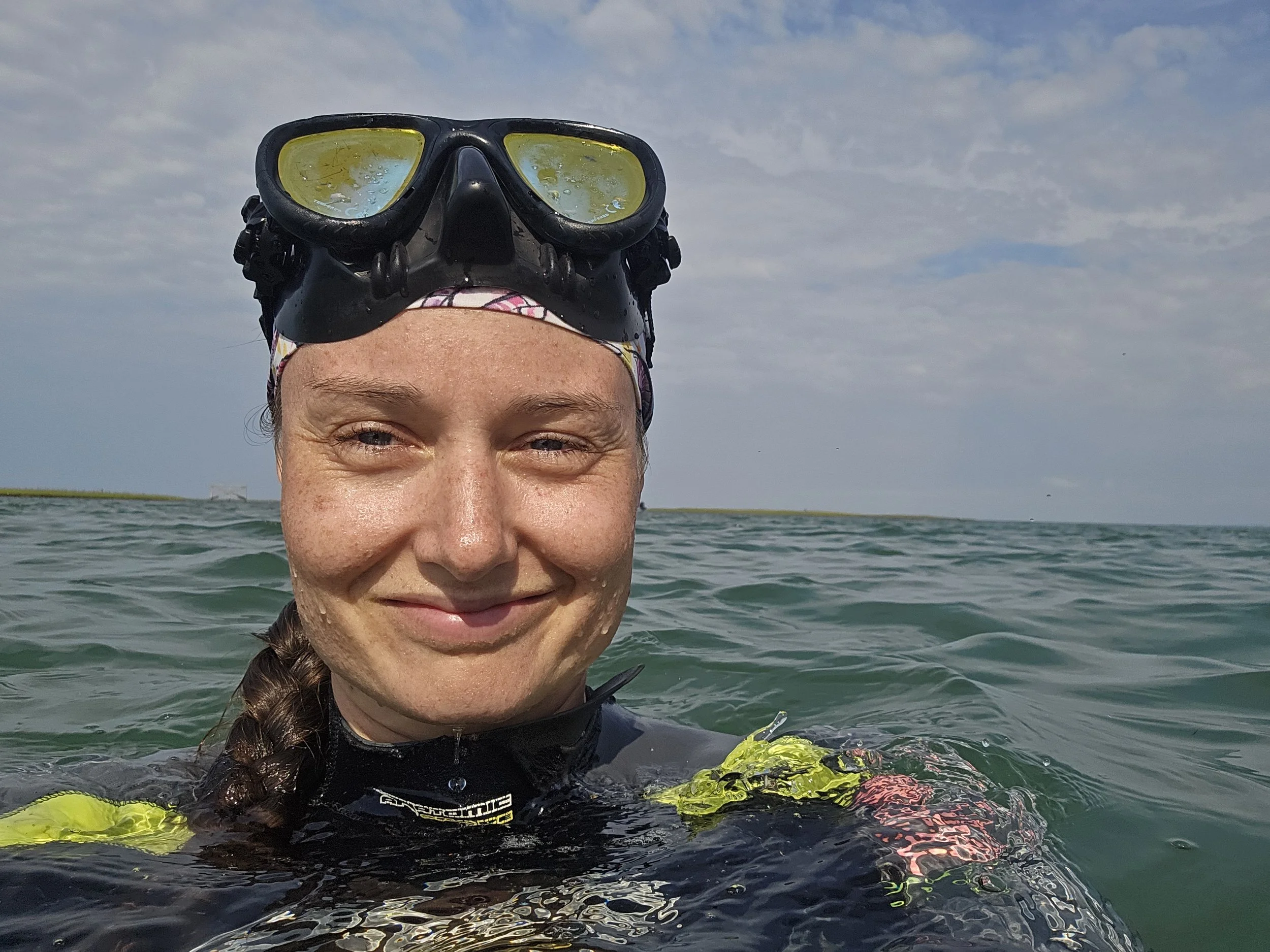
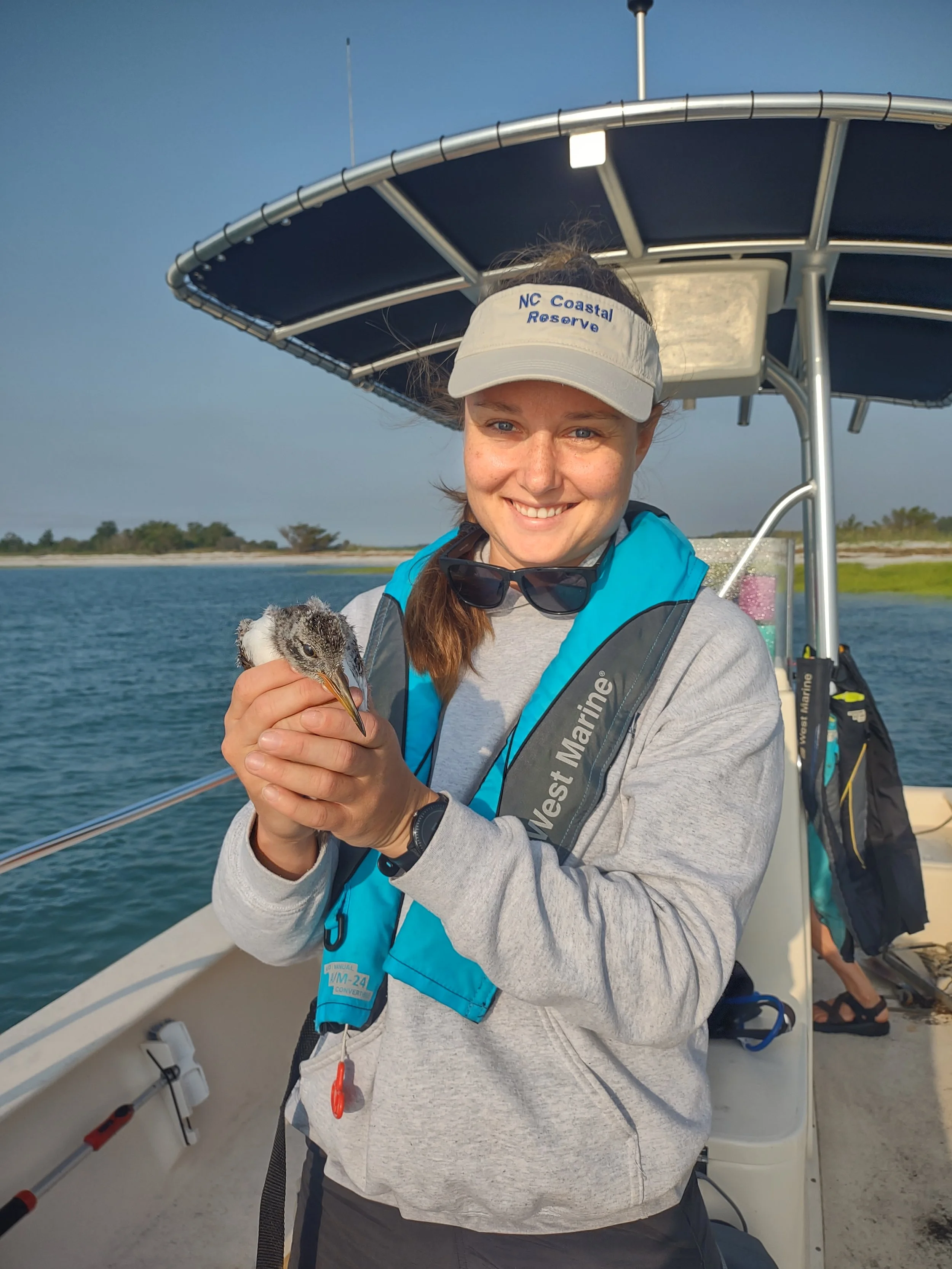
Current Job: Research Specialist with NC Coastal Reserve and NERR
Current Project: Resilience research and monitoring, and habitat mapping
State(s) working in: North Carolina
Where are you from: Ohio
What do you think is the main reason we should protect SAV?
SAV is the foundations of healthy coastal ecosystems providing so many ecosystem services that communities and economies depend on. Protecting SAV means protecting the resilience and long-term health of our estuaries.
How do you feel your research will make a difference in the SAV community?
I hope my research makes SAV monitoring more accessible and management focused by demonstrating how emerging technologies like drones can complement traditional field surveys. Better monitoring provides managers with the information they need to detect change earlier and make more informed conservation decisions.
What is one of your best memories working with SAV?
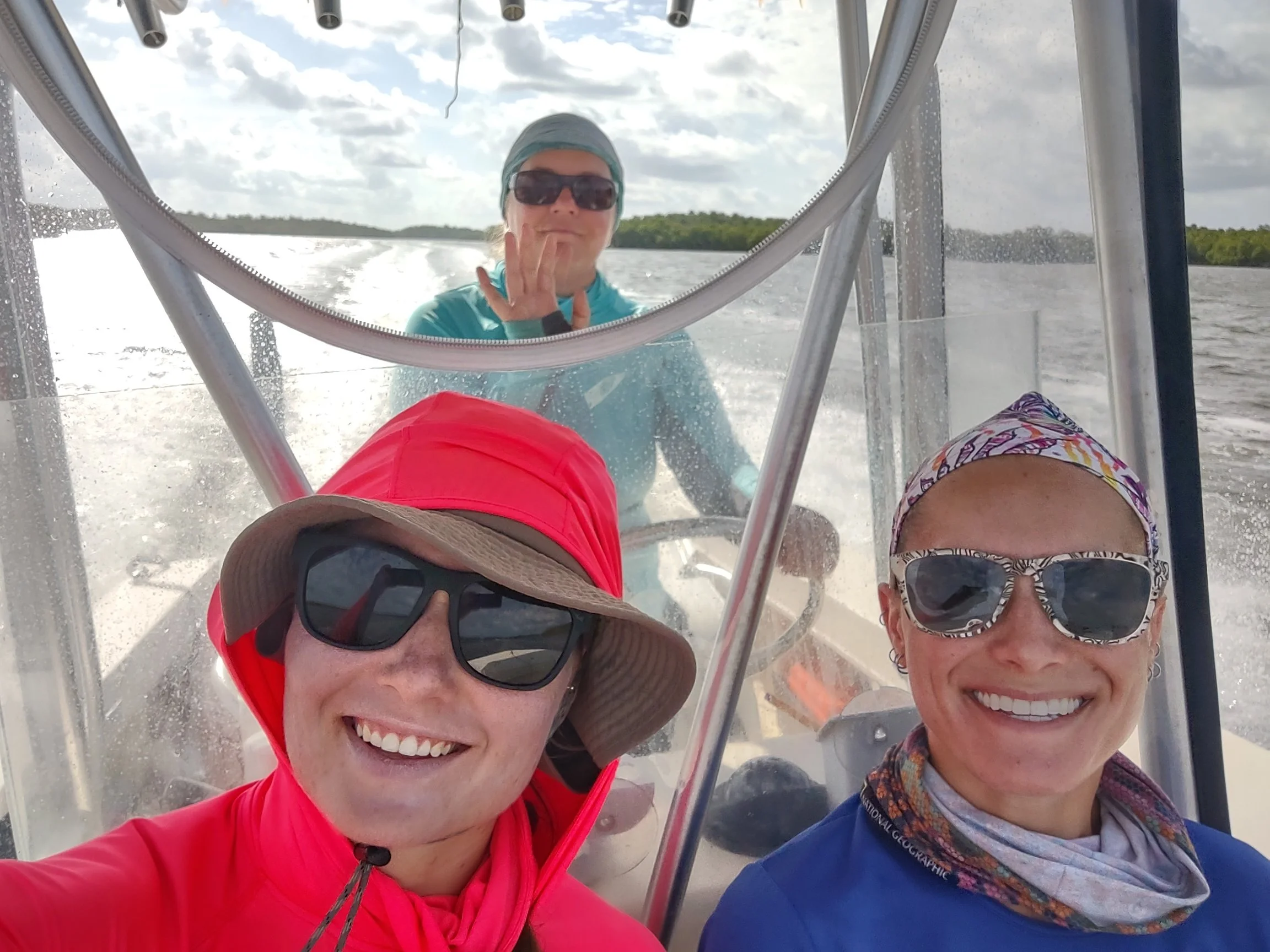
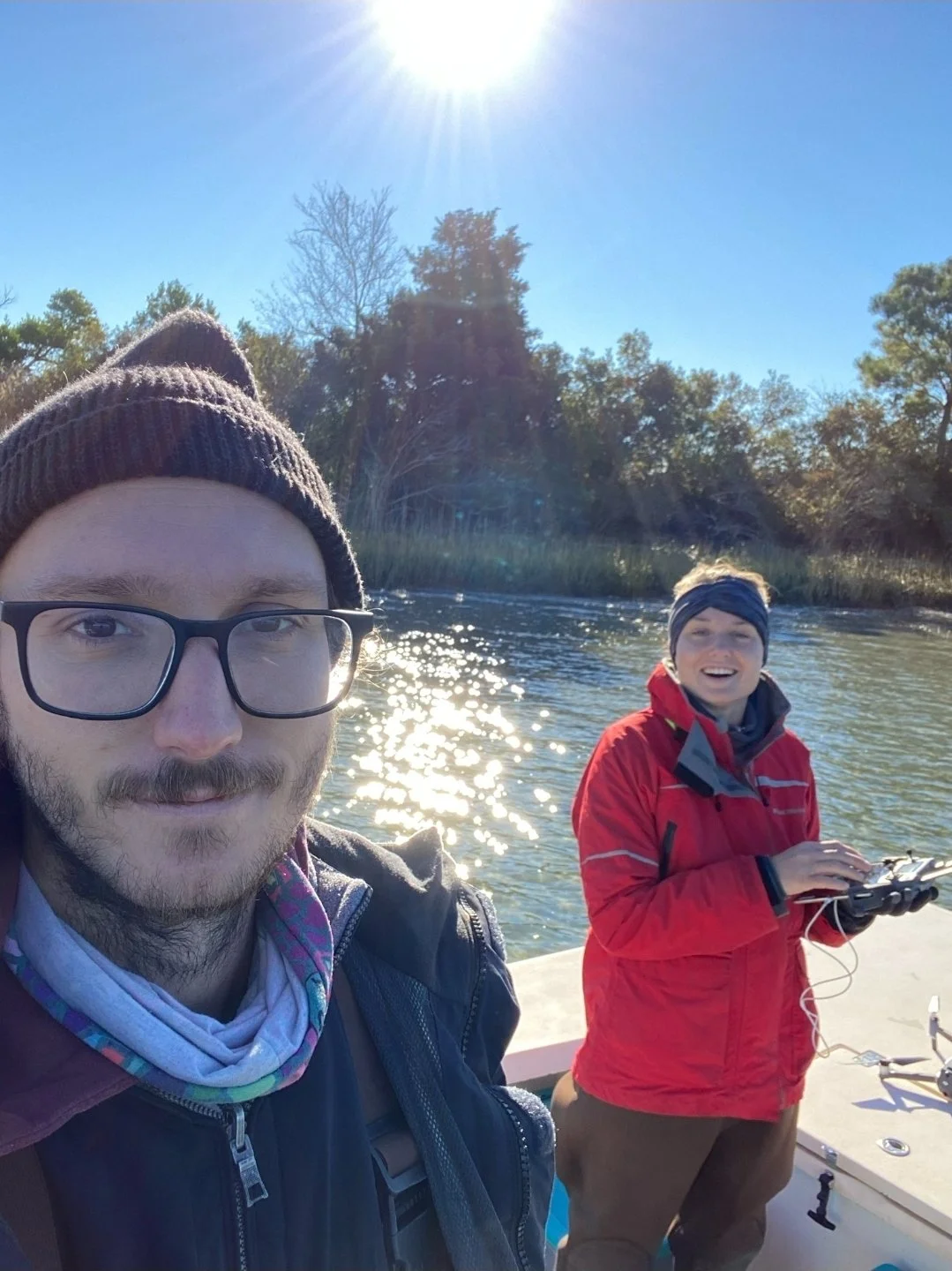
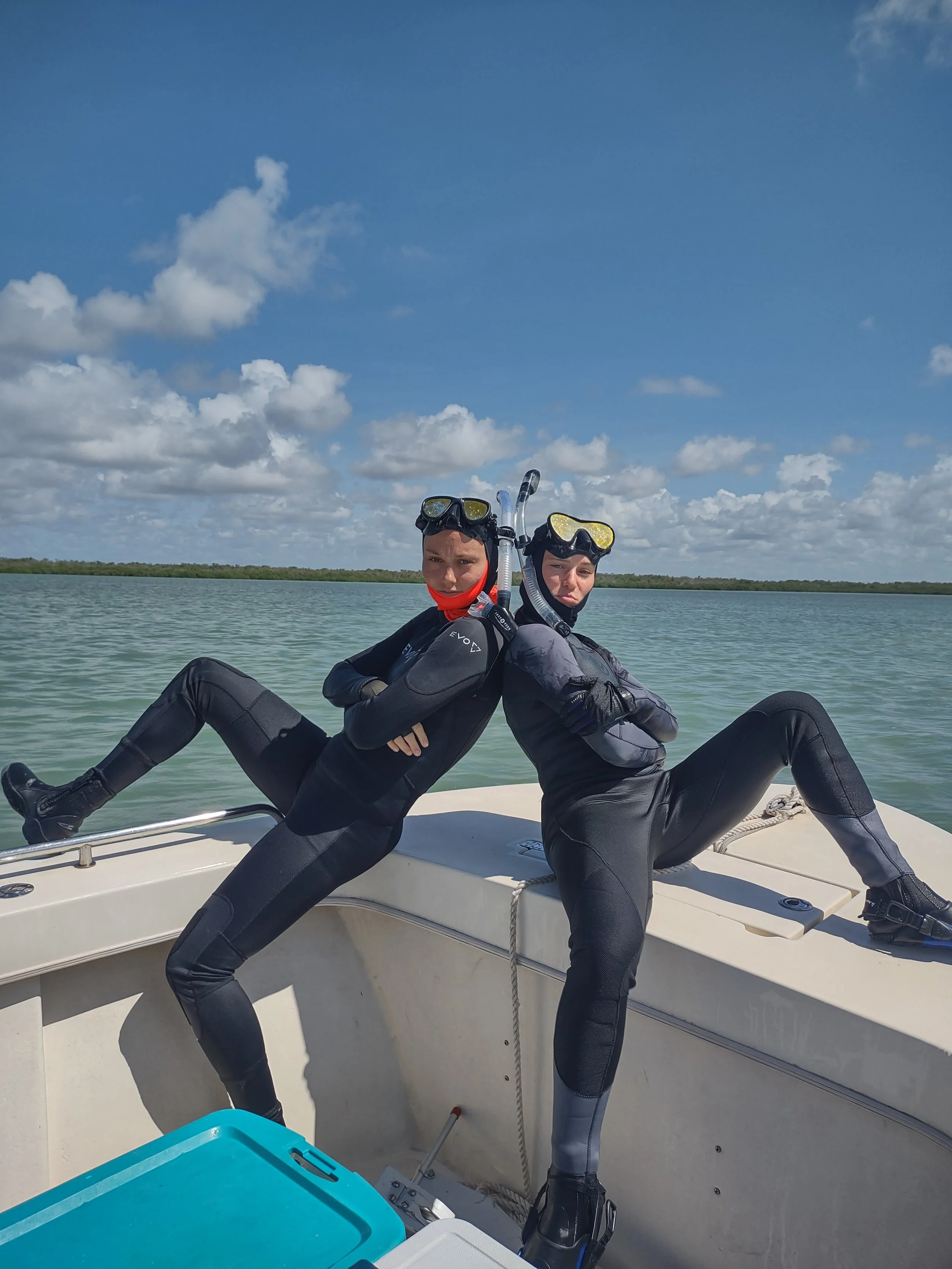
I enjoy collecting the drone imagery in the field and then processing it afterward to reveal the SAV meadow from a bird's-eye view. Seeing the landscape come together always puts into perspective how vast and complex these habitats are — giving a very different perspective than when in the water collecting the plant level observations.
What keeps you motivated to keep caring about the future of SAV?
What motivates me is knowing good science can directly support better stewardship. I want my work to help ensure future generations inherit healthy, resilient coastal ecosystems that continue to benefit both people and wildlife.
More about Madison’s story
Madison Lytle is a marine scientist and recent Ph.D. graduate from the University of North Carolina Wilmington, where her research focused on improving submerged aquatic vegetation (SAV) monitoring across spatial and temporal scales. Her work integrates ecology, drone technology, and geospatial analysis to develop practical tools that support coastal resource management and conservation.
As a Research Specialist with the North Carolina Coastal Reserve and National Estuarine Research Reserve, she continues to advance coastal monitoring and resilience planning through collaborative research. When she's not working in the field or analyzing data, Madison enjoys creating pottery inspired by the colors and textures of the coastal environments she studies.